
MI Engages Lao Stakeholders to Shape Strategic Plan 2026–2030
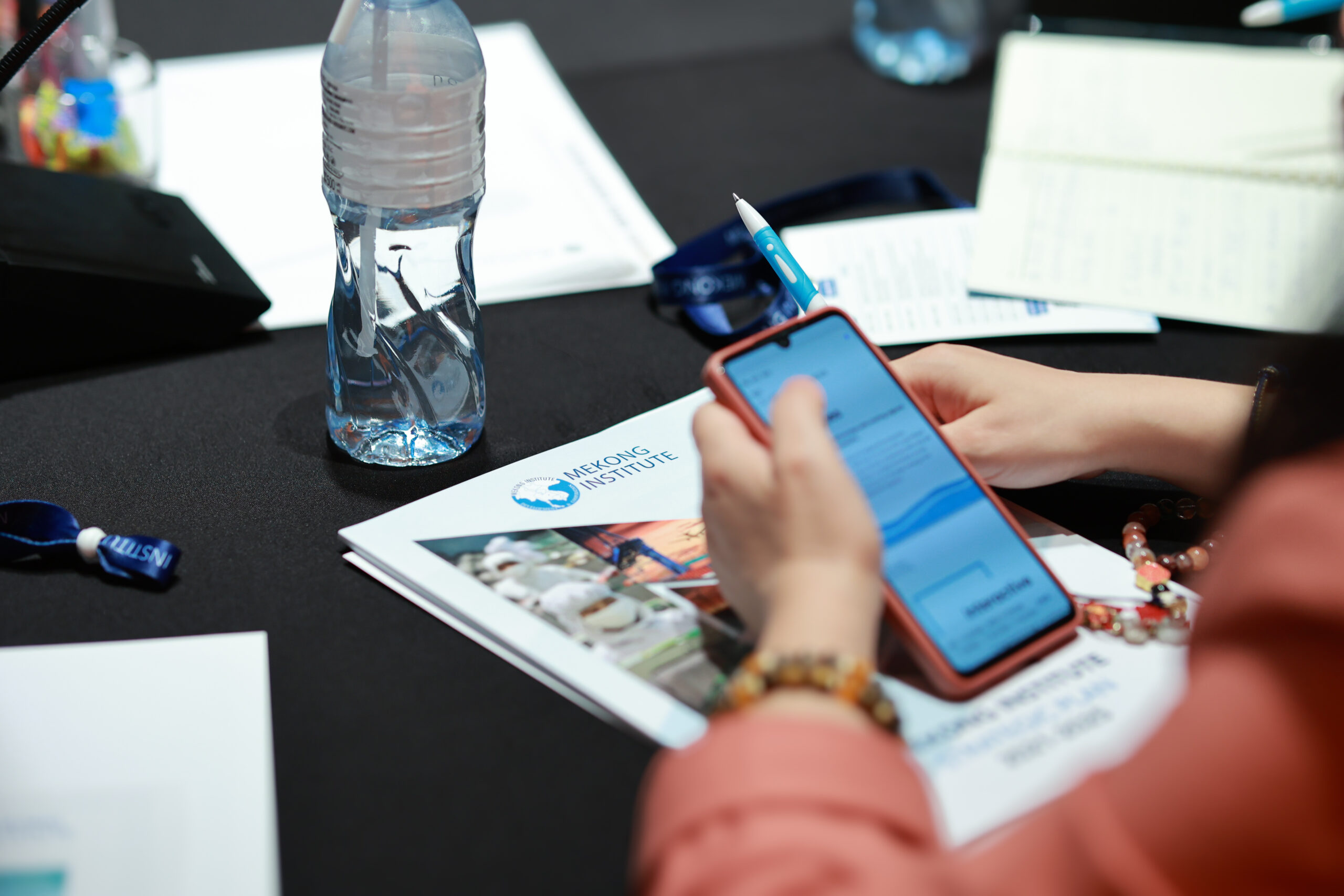
Vientiane, Lao PDR – April 24, 2025 — The Mekong Institute (MI), in collaboration with the Department of Economic Affairs, Ministry of Foreign Affairs of the Lao PDR, successfully held the National Consultation for the Review of MI Strategic Plan (2021–2025) and the Formulation of the MI Strategic Plan (2026–2030) in Vientiane. This consultation marks an essential milestone in MI’s participatory process to ensure its future strategy aligns with the evolving development needs of the Greater Mekong Subregion (GMS).
The event convened over 50 stakeholders from government ministries, public agencies, academic institutions, and the private sector to reflect on MI’s achievements and collaboratively shape the next five-year strategic roadmap.
In his opening remarks, Mr. Inthasone Thirakul, Deputy Director General of the Department of Economic Affairs and MI Steering Committee Member for Lao PDR, highlighted the consultation’s role in assessing the current Strategic Plan (2021–2025) and identifying forward-looking priorities. He encouraged participants to offer insights that would strengthen MI’s responsiveness and regional relevance.
Mr. Suriyan Vichitlekarn, Executive Director of MI, presented an overview of the current Strategic Plan, outlining its thematic contributions—particularly in agricultural development, trade facilitation, environment, and cross-cutting issues. He emphasized MI’s capacity-building impact across the region and set the stage for forward-thinking discussions on the 2026–2030 plan.
Stakeholder-Driven Priorities and Recommendations
The consultation featured interactive group discussions where participants shared both national-level experiences and regional aspirations. The key recommendations for the next Strategic Plan include:
- Scaling up enterprises in Lao PDR, integrating micro and small enterprises into regional supply chains through digital transformation and improved investment environments.
- Strengthening sustainable infrastructure and climate resilience, with focused efforts on transport strategy, disaster response, and renewable energy development.
- Boosting agricultural commercialization and aligning land use with climate suitability for key crops.
- Advancing digital transformation and innovation, including support for digital health and regional ICT integration.
- Expanding human capital through targeted training, improved institutional capacity, and public-private collaboration.
Several stakeholders also emphasized the importance of improving coordination between national and regional actors, enhancing awareness of MI’s programs, and ensuring alignment with Lao PDR’s national development frameworks.
A Vision for Regional Integration
The consultation also introduced the proposed vision, mission, and thematic areas for MI’s 2026–2030 Strategic Plan. Participants called for inclusive economic development, climate-smart strategies, enhanced health security, and deeper regional integration—underpinned by collaborative governance, resource mobilization, and knowledge exchange.
In his closing summary, Mr. Suriyan outlined five reflection points: enhancing policy coherence, scaling up proven interventions, building enterprise competitiveness, addressing institutional gaps, and deepening partnerships across sectors.
Next Steps Toward Strategic Alignment
This national consultation is part of a broader series being conducted across all GMS countries. The outcomes will inform MI’s draft Strategic Plan, which will be further reviewed in a regional consultation before submission to the MI Governing Board.
Mr. Inthasone concluded the event by thanking all participants for their valuable input and reaffirming Lao PDR’s commitment to regional cooperation. He expressed hope that the new Strategic Plan would strengthen MI’s role in supporting Lao PDR and the GMS in navigating shared development challenges.


