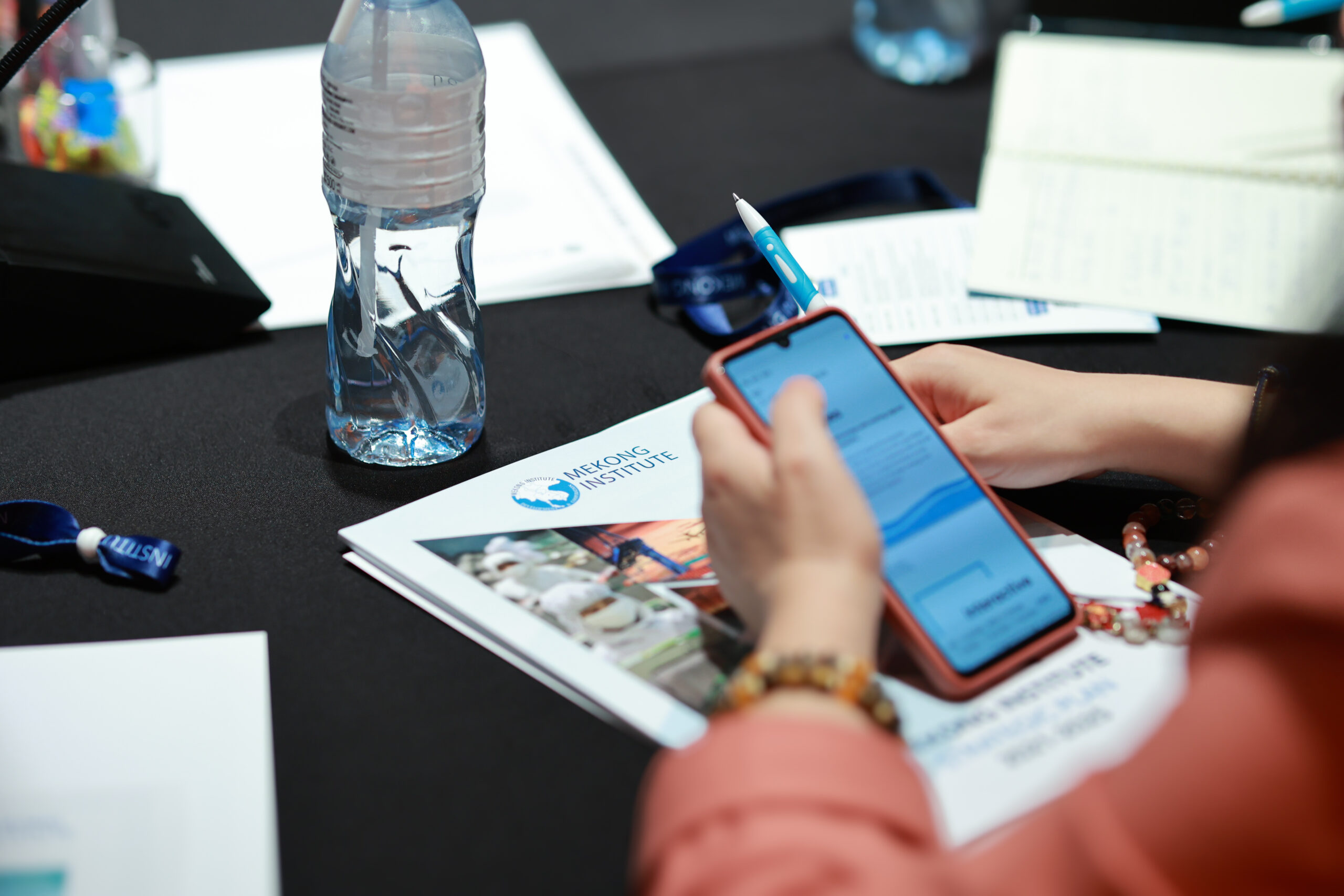

The Mekong Institute (MI) organized the “Workshop on Enhancing Coordination Mechanisms among MKCF Focal Points in the Mekong Countries and the Republic of Korea” from December 2 to 4, 2025, in Seoul, Republic of Korea (ROK). Conducted under the Capacity Building on Regional Project Design, Implementation, Monitoring and Evaluation of MKCF Projects (PRIME Project) and funded by the Mekong-ROK Cooperation Fund (MKCF), the workshop brought together Mekong and RoK focal points at the Ministry of Foreign Affairs in five Mekong countries and the ROK.
The Mekong ROK focal point officials at the Ministry of Foreign Affairs have played an increasingly important role in ensuring smooth coordination between key stakeholders of MKCF. The workshop addressed shared strengths and challenges in coordination among the countries, such as communication channels, familiarity with MKCF procedures, and opportunities for peer exchange. The program aimed to strengthen coordination mechanisms across countries and enhance focal point officials’ understanding of the MKCF operational method, timeline, and related coordination responsibilities.

During the opening session, Ms. Jung Gayeon, Deputy Director-General of the ASEAN and Southeast Asian Affairs Bureau at the Ministry of Foreign Affairs of the ROK, welcomed participants and underscored Korea’s sustained commitment to the Mekong region, noting that the ROK has consistently supported efforts to narrow development gaps and advance sustainable, inclusive growth. Ms. Jung Gayeon highlighted the essential role of national focal points in strengthening MKCF through proactive outreach for effective coordination.
Following Ms. Jung Gayeon’s remarks, Mr. Madhurjya Kumar Dutta, Director of the MKCF from MI, presented an overview of the Fund’s progress, outlining key achievements that have advanced sustainable development across the Mekong region.
Over the course of the sessions, participants reviewed the MKCF operational method and timeline, which contributed to a shared understanding of the Fund’s procedures and supported efforts to address gaps in coordination. Through group discussions and country exchanges, focal points assessed existing practices, identified bottlenecks, and shared recommendations and lessons from ongoing projects. These discussions informed the development of common guidelines to strengthen coordination across countries.
Building on the discussion result, participants contributed to drafting the Guidelines for Effective Coordination Mechanisms for MKCF. The document describes practical steps to strengthen coordination among focal points, line ministries, project implementing agencies, and the MKCF Secretariat.
The program concluded with a field visit to the Korea–Mekong Water Center (KOMEC) at K-Water, where participants observed ongoing water management initiatives supported by the MKCF. KOMEC showcased its technical work, highlighting key areas of collaboration and the impact of its efforts in the Mekong region. The visit also provided an opportunity for participants and KOMEC to reflect on how MKCF-supported projects have practiced coordination among national focal points and line ministries.
Overall, this workshop provided a structured platform to strengthen MKCF focal points’ and relevant government officials’ understanding of MKCF procedures. It also facilitated the refinement of draft guidelines for coordination activities, supporting effective cooperation and the successful implementation of MKCF-supported initiatives across the Mekong region.


