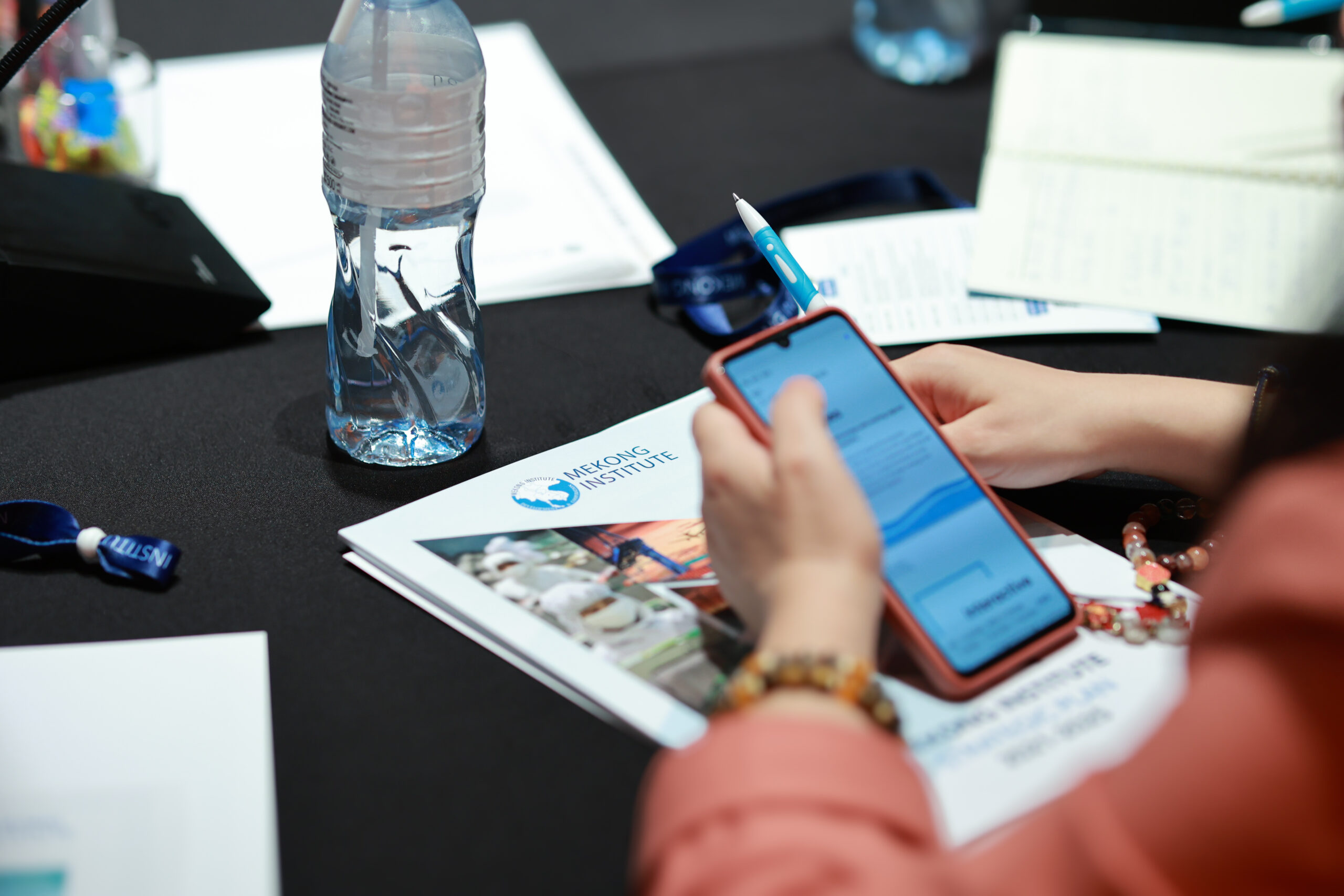

Phnom Penh, Cambodia – March 21, 2025 – The Mekong Institute (MI), under Cambodia’s chairmanship of the MI Council, convened a pivotal National Consultation Workshop to review the progress of its current Strategic Plan 2021–2025 and gather stakeholder input for crafting the upcoming Strategic Plan 2026–2030.
Attended by 31 representatives from government agencies, civil society, academia, and the private sector in Cambodia, the consultation aimed to assess MI’s regional contributions and set a course for a more inclusive, forward-looking strategy that addresses emerging priorities across the Greater Mekong Subregion (GMS).
A Platform for Inclusive Development
Welcoming participants, MI Executive Director Mr. Suriyan Vichitlekarn underscored the significance of the consultation as a collaborative milestone:
“This national consultation marks another meaningful opportunity for MI to engage directly with stakeholders in Cambodia, understand their needs, and explore potential areas for future collaboration and partnership,” he said.
He emphasized that MI is not presenting a rigid plan but inviting open input to co-create a strategy that reflects national realities and supports regionally viable solutions.
The event spotlighted MI’s unique position as an intergovernmental organization established by the six GMS countries to foster human and institutional capacity through multi-stakeholder collaboration. Stakeholders discussed strategic themes including digital transformation, climate resilience, trade facilitation, food security, human capital development, and cross-border cooperation.
Reflections and Recommendations
Participants acknowledged MI’s contributions while also identifying gaps—such as fragmented policies, underdeveloped logistics infrastructure, limited private sector engagement, and financing shortfalls. Concrete recommendations were offered, including enhanced support for smart agriculture, food safety, regional trade facilitation, and SME competitiveness.
There was strong consensus for MI to further position itself as:
- A convener of regional partnerships,
- A provider of technical and policy expertise, and
- A catalyst for innovation and inclusive development.
Cambodia’s Strategic Transition and MI’s Role
As Cambodia prepares for its graduation from Least Developed Country (LDC) status by 2029, stakeholders highlighted the strategic role MI could play in ensuring a smooth and resilient transition. The institute was called on to support national development priorities such as workforce development, digital innovation, SME support, and climate resilience.
In his remarks, H.E. Chea Chanthum, Secretary-General of the General Secretariat for Population and Development and Chairman of the MI Council, emphasized the broader significance of the consultation:
“This platform is not just about reviewing the past—it is about shaping a future strategy that aligns regional cooperation with national priorities and reflects the voices of all sectors, from government to grassroots.”
He urged MI to localize regional strategies and deepen engagement with national institutions:
“Policies must be translated into practice and deliver benefits to communities on the ground. That’s where MI can make a real difference—by turning ideas into tangible action.”
Piloting Local Solutions for Regional Impact
To support Cambodia’s priorities, MI was encouraged to focus on piloting adaptable development models, strengthening partnerships with local think tanks and alumni, and facilitating scalable regional projects. Stakeholders also suggested that MI bolster its role in food safety, market access, and innovation for traditional sectors such as agriculture and tourism.
Mr. Vichitlekarn reaffirmed this direction:
“We see this not just as MI’s strategic plan—it is a shared platform for all of us. Together, we must identify practical and collaborative solutions that respond to transboundary challenges while empowering national development.”
Commitment to Co-Creation
The workshop concluded with a strong reaffirmation of MI’s commitment to an inclusive co-creation process in finalizing the Strategic Plan 2026–2030. By engaging national stakeholders early and meaningfully, MI aims to ensure the new strategy remains relevant, practical, and impactful throughout the GMS.


