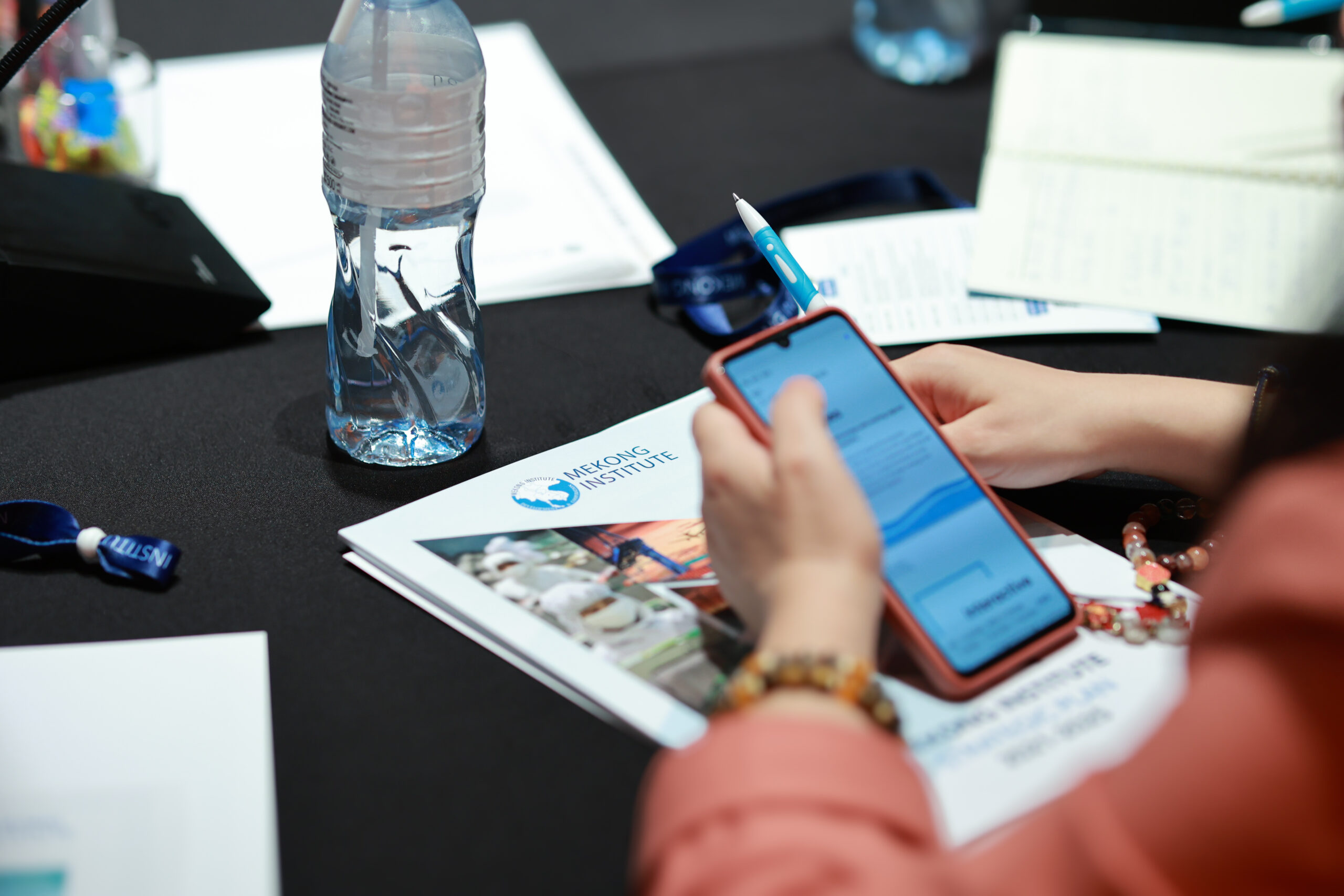

Ho Chi Minh City, Can Tho City, and Tra Vinh City, Viet Nam — November 21, 2025 — The Structured Learning Visit (SLV), organized by the Project for Regional Project Identification, Monitoring, and Evaluation of MKCF (PRIME), successfully concluded after a week-long program across Ho Chi Minh City, Can Tho, and Tra Vinh. The SLV strengthened regional cooperation, enhanced knowledge exchange, and deepened cross-sectoral understanding among Mekong subregion countries.
The visit brought together 17 representatives from Cambodia, Lao PDR, Myanmar, Thailand, and Viet Nam, including officers and management-level staff from diverse public-sector agencies in civil administration, tourism, agriculture, education, and foreign affairs. The activities also supported the Mekong–Republic of Korea Cooperation Fund (MKCF) priority sectors—such as rural development, environment, infrastructure, and human resource development—by fostering cross-sector engagement and collaboration.
Strengthening Regional Project Development
The SLV began with a context-setting session featuring key observations from MKCF-funded regional projects. Discussions emphasized the need for structured, long-term project identification and management, stronger cooperation, and synergies across the Fund’s seven priority sectors. Ministry delegates also examined how data-driven analysis and strategic networking can enhance MKCF’s effectiveness in advancing regional initiatives.
This was followed by an inception workshop that guided delegates through essential components of impactful regional project design and implementation. The workshop covered five core pillars:
- Change Management and Technology
- Partnership and Networking
- Resource Mobilization and Funding
- Monitoring, Evaluation, and Learning (MEL)
- Scalability and Sustainability
Learning From Successful Cooperation Models
Participants engaged in on-site learning through visits to key cooperation models implemented by international organizations operating in Viet Nam:
- College of Machinery and Irrigation (VCMI) — supported by GIZ
- RiceEco in Can Tho Province — supported by the International Rice Research Institute (IRRI)
- SokFarm in Tra Vinh — a community enterprise applying innovative, sustainable agricultural practices
They also participated in lecture and dialogue sessions with:
- GIZ-supported Women in Energy Viet Nam Network, and
- Japan International Cooperation Agency (JICA), Ho Chi Minh City Branch
These exchanges provided concrete insights into project design, MEL systems, implementation modalities, and effective collaboration models.
Strengthening Regional Networks and Forward-Looking Collaboration
The SLV highlighted the transformative impact of strong regional networks across government and expert communities. Delegates actively shared lessons learned, best practices, and updates on current and future workplans. This cross-country dialogue created a continuous learning loop, enhancing participants’ capacity to innovate, solve problems, and advance regional cooperation projects.
Delegates collectively developed actionable recommendations to strengthen Mekong–Republic of Korea collaboration, including opportunities in technology adoption, gender inclusion, and community empowerment.
Closing Workshop and Future Directions
The SLV concluded with a synthesis workshop in Ho Chi Minh City, where delegates presented key takeaways and proposals for future regional initiatives. Their reflections emphasized the importance of mutual support, knowledge exchange, and replicating successful project models across international contexts.
Many delegates also expressed strong interest in becoming future MKCF partners, with plans to apply for upcoming MKCF programs. With strengthened networks and enhanced technical capacities, participants reported increased confidence in designing and managing impactful regional and cross-border initiatives.
The SLV reaffirmed MI’s commitment to advancing regional cooperation and sustainable development. Through capacity building, knowledge sharing, and partnership facilitation, MI continues to support the goals of the PRIME Project and MKCF—empowering countries in the Mekong region to collaborate more effectively and drive inclusive regional growth.


