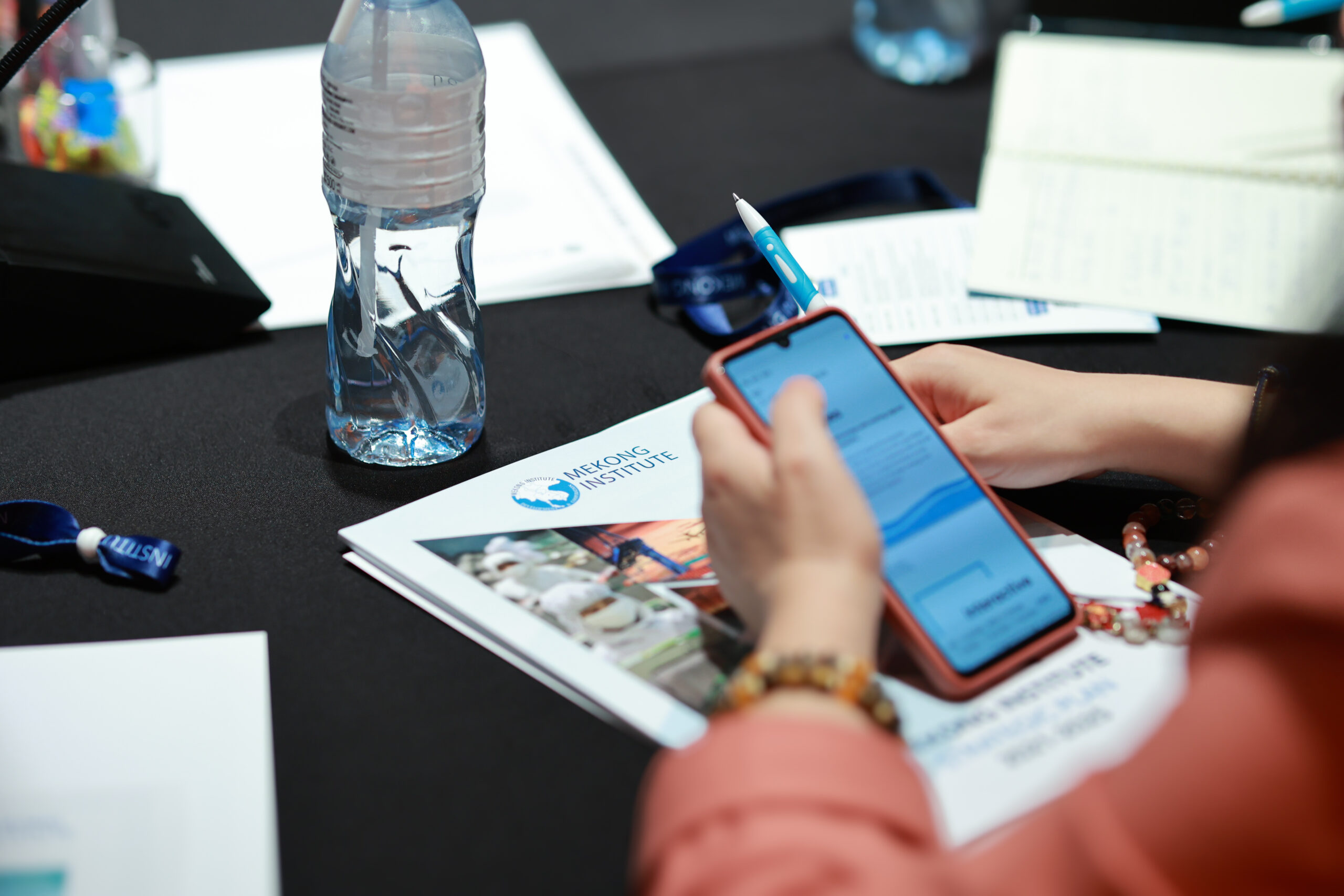

Chiang Mai University (CMU) convened the 1st International Workshop on Enhancing Edible Insect Farming for Farmers in the Mekong–Korea Region from 30–31 January 2026 in Chiang Mai, Thailand, under the project “Elevating Food Security and Sustainability in the Mekong Countries through Integrating Edible Insects with Innovations for Future Food,” funded by the Mekong–ROK Cooperation Fund (MKCF).
The workshop brought together researchers, technical specialists, and farmers from Cambodia, Lao PDR, Myanmar, Thailand, Viet Nam, and the Republic of Korea to examine current challenges and opportunities in cricket farming and beekeeping. Discussions focused on production efficiency, disease management, market access, and the sustainability of insect-based food systems in the Mekong sub-region.
On the first day of the workshop, CMU presented updates on project progress to review evidence from the field and consider practical approaches to strengthening edible insect value chains and sustainable insect farming practices. Participants received detailed briefings on baseline survey results, key market and production challenges, and the design of planned interventions under the cricket farming and beekeeping components. The session also facilitated discussions on implementation approaches and reporting requirements, with a view to strengthening the effectiveness and sustainability of the project.
To complement the technical discussions, field visits formed an integral part of the program, allowing participants to observe cricket farming and stingless beekeeping operations and to engage directly with producers. The visits provided insights into farm management practices, input use, biosecurity measures, and marketing constraints, contributing to a more grounded understanding of conditions faced by farmers.
The second day featured technical lectures and panel discussions by experts from the Republic of Korea and the Mekong region, addressing industry development trends, viral diseases affecting Asian honey bees, and pesticide use in insect farming. The exchanges leveraged the Republic of Korea’s technical expertise to support evidence-based dialogue relevant to both policy and practice.
Furthermore, networking activities were conducted among farmers, researchers, and businesses to exchange views on challenges and obstacles in insect farming and to identify opportunities and potential solutions. These discussions were followed by hands-on sessions on value addition, including demonstrations on the development of higher-value products such as a cosmetic lotion formulated with cricket oil and honey-based gummy products.
The workshop highlighted that edible insects are increasingly recognized as a viable component of future food systems, offering a high-quality alternative protein source that can contribute to food security and sustainable livelihoods, while requiring fewer natural resources, generating lower greenhouse gas emissions, and providing income-generating opportunities for farmers across the region.


