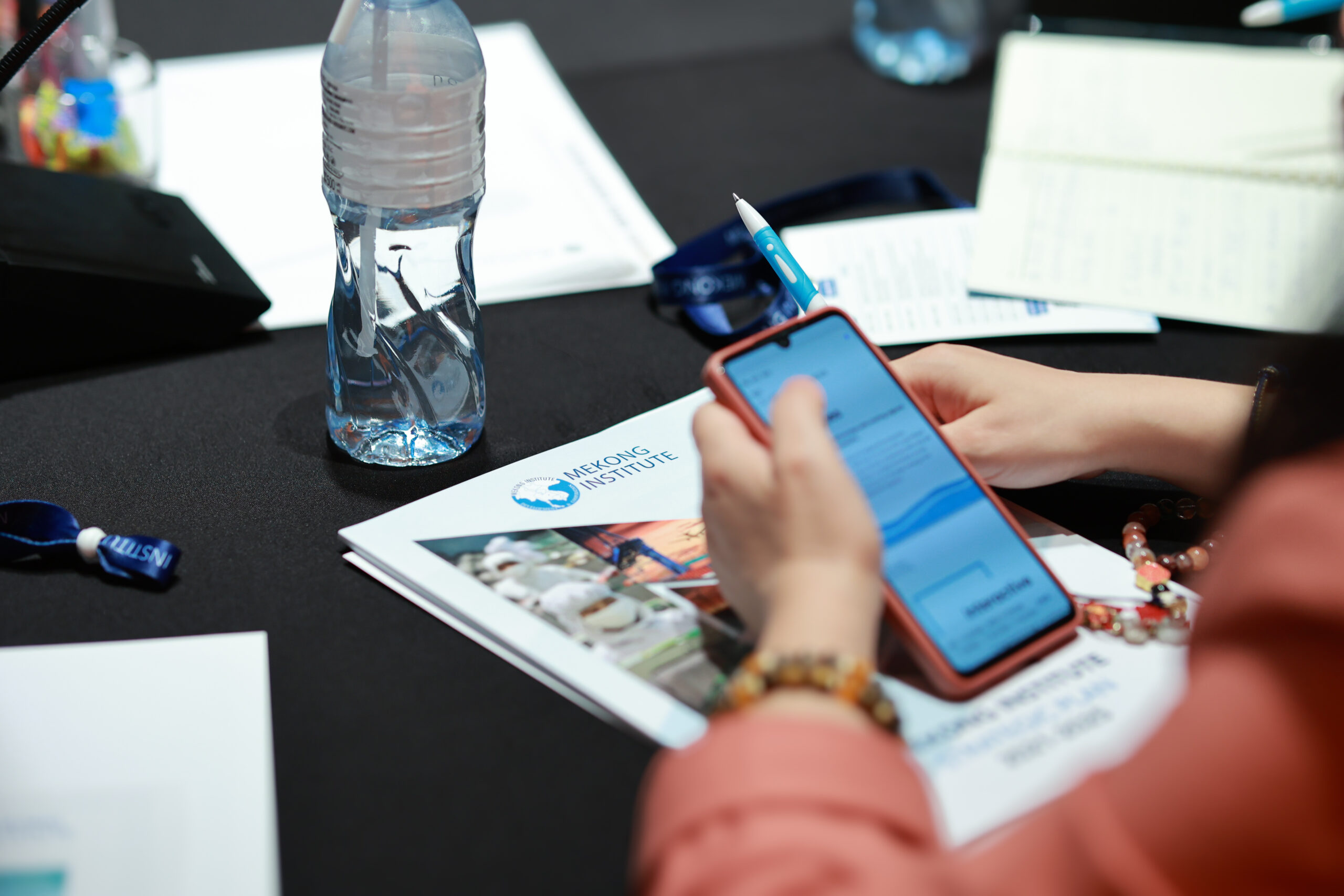

Chiang Mai, Thailand – August 13, 2025 – Chiang Mai University (CMU), in collaboration with the Mekong-Republic of Korea Cooperation Fund (MKCF), convened a launching meeting at CMU’s Biology Department to advance the project “Enhancing Food Security and Sustainability in the Mekong Countries through Innovative Edible Insect Integration for Future Food.”
The project aims to address food security challenges in Cambodia, Lao PDR, Myanmar, Thailand, and Viet Nam by integrating edible insects such as bees and crickets into sustainable farming and food systems. This initiative supports regional cooperation, sustainable agricultural practices, and economic resilience by promoting edible insects as an environmentally friendly, nutritious, and culturally acceptable protein source.
Key objectives of the project include:
- Increasing awareness and public acceptance of edible insects
- Establishing sustainable insect farming practices
- Enhancing research and development
- Developing market infrastructure and value chains
- Supporting community livelihoods and economic resilience
During the meeting, stakeholders emphasized that the initiative should remain community-driven and development-focused rather than purely research-based. To ensure effective implementation, the following action points were agreed upon:
- Baseline assessments will capture household incomes, market conditions, and community needs, with reassessments conducted mid-year.
- A Project Advisory Committee (PAC) will be established, consisting of government representatives, technical experts, and private sector partners, meeting quarterly to guide progress.
- Training sessions will be organized for communities and project staff, including the use of MKCF’s AppSheet platform for transparent financial reporting.
- GIS mapping, photo documentation, and videos will be integrated into monitoring to track progress and lessons learned.
Speaking at the meeting, Mr. Madhurjya Kumar Dutta, Director of MKCF, highlighted the importance of aligning project activities with regional cooperation goals. Dr. Tanyawat Keawsalud, Project Manager at CMU and other officials from CMU, reaffirmed CMU’s commitment to fostering sustainable solutions that can be scaled across Mekong countries.
The project underscores the principle of “acting locally, thinking globally,” ensuring that beneficiaries are carefully selected and actively engaged throughout the project duration to maximize impact.
This innovative collaboration between CMU and MKCF marks a significant step towards strengthening food security, promoting sustainability, and creating new livelihood opportunities in the Mekong region.


