
China Hosts National Consultation on MI’s New Strategic Plan
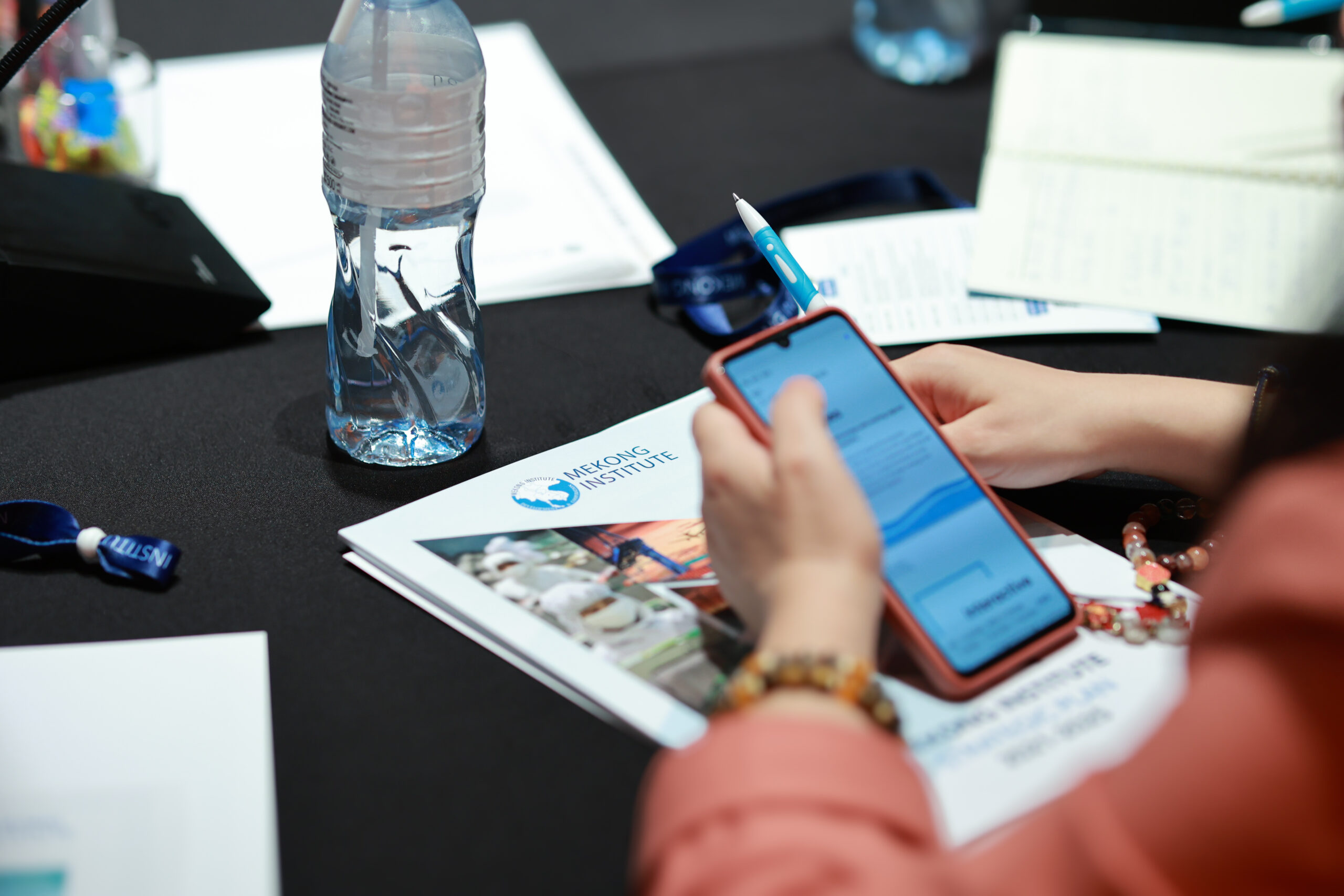
Kunming, China — March 27, 2025: In a vibrant display of regional cooperation, China hosted a high-level national consultation in Kunming, Yunnan Province, bringing together 44 key stakeholders to chart the future direction of the Mekong Institute (MI). The consultation marked a crucial milestone in the development of MI’s next Strategic Plan (2026–2030), offering a unique opportunity for Chinese voices to influence the region’s development priorities in the coming decade.
Organized in partnership with the Yunnan Academy of Science and Technology Development—MI’s coordinating agency in China—the workshop drew participants from government agencies, academia, the private sector, and MI alumni networks. The forum set the stage for a dynamic exchange of perspectives on how MI can better serve the Greater Mekong Subregion (GMS) amid a rapidly changing regional and global landscape.
“This consultation is more than a planning exercise—it is a reaffirmation of our collective ambition to build a connected, resilient, and sustainable Mekong,” said Mr. Suriyan Vichitlekarn, Executive Director of MI, in his opening remarks. “China’s leadership and contributions are vital to this vision, and we’re here to listen, learn, and build a shared path forward.”
Reflecting on Progress, Confronting Challenges
Participants praised MI’s achievements under its current 2021–2025 Strategic Plan, especially in advancing technical capacity building, fostering cross-border partnerships, and generating research that informs policy. MI’s work has helped equip stakeholders with skills, networks, and knowledge critical to the region’s development.
But the discussions didn’t shy away from challenges. Stakeholders pointed out issues such as financial constraints, limited alumni engagement, uneven policy uptake from training outputs, and insufficient outreach—especially to China’s small and medium-sized enterprises.
In response, participants offered a range of actionable recommendations:
- Modernize training through AI and digital platforms to boost accessibility and relevance;
- Strengthen alumni networks using tools like WeChat and in-country follow-up programs;
- Expand outreach and partnerships with China’s vibrant private sector and emerging industries;
- Enhance visibility of MI’s impact through social media and localized storytelling;
- Deepen policy influence by aligning research with national priorities and cross-sectoral needs.
Looking Ahead: China’s Priorities for the Next Strategic Plan
When envisioning the 2026–2030 roadmap, Chinese stakeholders emphasized the need to anchor MI’s strategy in real-world impact and regional synergies. Eight priority areas emerged from the discussion:
- Smart Agriculture and Sustainable Forestry – advancing high-value crops, modern farming systems, and eco-friendly practices tailored to Yunnan and Guangxi’s strengths.
- Green Energy and Environmental Resilience – tackling cross-border issues like air pollution and supporting equitable access to renewable energy.
- Trade and Infrastructure Connectivity – leveraging major projects like the China-Laos railway to streamline logistics and boost economic corridors.
- Tourism for Good – promoting sustainable tourism that celebrates culture, creates jobs, and protects natural heritage.
- Innovation and Regional Branding – fostering digital transformation and regional competitiveness through coordinated standards and smart solutions.
- Poverty Reduction and Inclusion – ensuring that development is equitable and reaches underserved communities through targeted programs.
- Educational and Cultural Exchange – nurturing future leaders and professionals through curriculum cooperation and alumni engagement.
- Dispute Resolution and Arbitration – building capacity for resolving cross-border conflicts to strengthen business confidence.
A Call for Deeper Cooperation
Delivering the closing remarks, Mr. Chen Rongjie, Deputy Director General of the Foreign Affairs Office of the People’s Government of Yunnan Province, called for a deeper, more visible Chinese footprint in MI’s work. “We need to move beyond dialogue to tangible, people-centered cooperation,” he said. “By aligning our efforts in agriculture, digital transformation, and green development, we can create meaningful change that improves lives across the subregion.”
Mr. Chen also urged MI to prioritize non-politicized, pragmatic partnerships, where local communities benefit directly from capacity building and livelihood-focused programs.
The workshop concluded with a preview of the Mekong Forum 2025, to be held in Phnom Penh, Cambodia this July. The Forum will serve as a flagship event to present the evolving contours of MI’s new strategy and rally regional partners behind a shared vision for inclusive development.
China’s national consultation underscored not only the country’s deep commitment to regional integration but also the powerful role of collaboration in shaping a future where the Mekong thrives together.


