The Mekong Institute (MI) was established on August 28, 1996, by the New Zealand Ministry of Foreign Affairs and Trade and the Thai Department of Technical and Economic Cooperation to promote economic development and cooperation in the Greater Mekong Subregion (GMS).
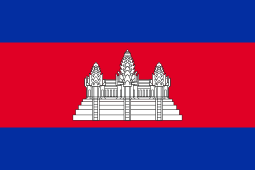
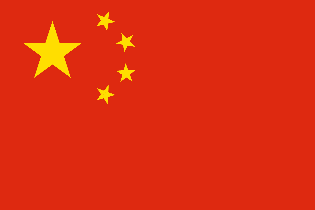
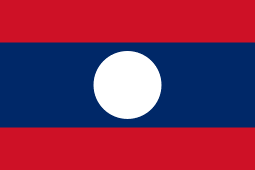
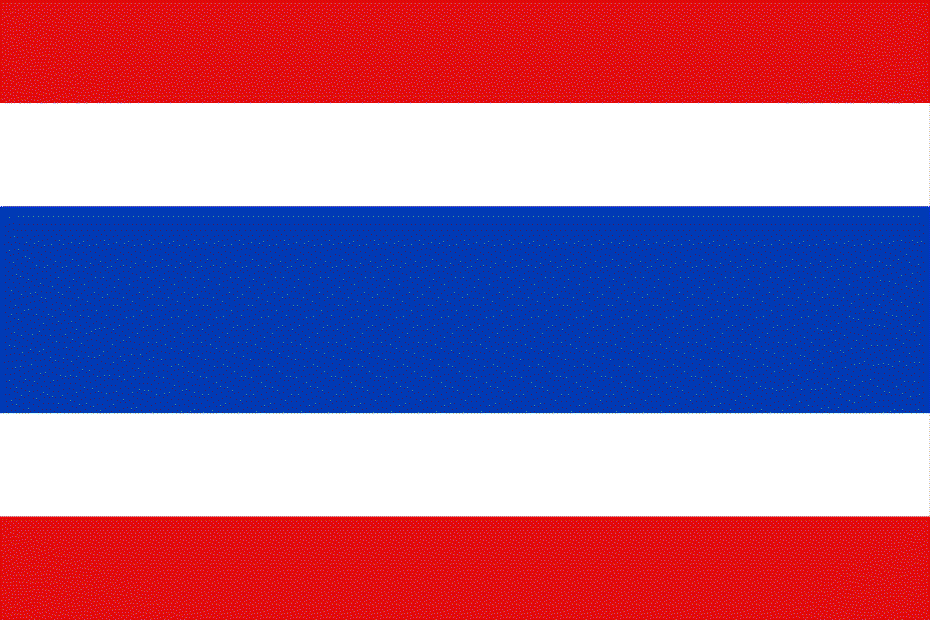
Since 2009, under a Royal Decree signed by the King of Thailand, MI has grown into a recognized intergovernmental organization (IGO) represented by all six GMS countries, namely Cambodia, China (Yunnan Province and Guangxi Zhuang Autonomous Region), Lao PDR, Myanmar, Thailand, and Viet Nam
Cambodia
China
Lao PDR
Myanmar
Thailand
Viet Nam
Throughout the years, MI has played a transformational role in capacity development in the region, focusing on human resource and learning programs to enhance regional development, cooperation, and integration. The institute provides training, conducts research, offers advice, and facilitates policy dialogues on topics that matter to the GMS.
As one of the longest-running IGO owned by the GMS governments, MI is committed to building a better GMS by connecting member countries and advancing development on all fronts. In recent years, MI has expanded its services and assumed new roles to support various sub-regional cooperation frameworks and mechanisms. Its most recent regional mandates include serving as the regional coordinator of the GMS Knowledge Network and providing back-office support for the Ayeyawady-Chao Phraya-Mekong Economic Cooperation Strategy (ACMECS).
VISION
An inclusive, integrated, and prosperous GMS that is sustainable and innovative, driven by multi-stakeholder involvement.
Mission
Enhanced human and multi-level institutional capacity for regional cooperation and integration initiatives through multi-stakeholder partnerships and a nexus approach.
Main Strategic Goals
The Strategic Plan is guided by five Strategic Objectives:
Strengthen Regional Cooperation and Integration (RCI);
Build Institutional and Human Capacities;
Drive Innovation in Thematic Programming;
Enhance Sustainability of Interventions; and
Improve MI’s Institutional Effectiveness and Resilience.
Implementing Strategies
A key innovation of the 2026–2030 Strategy is MI’s shift from project-based interventions toward an integrated, programmatic implementation model. Under a five-year program framework, related projects will be clustered into coherent programmatic areas.
MI’s programmatic areas—strengthening economic enablers, advancing inclusive sectoral growth, delivering practical multi-sector nexus solutions, and reinforcing knowledge management and organizational capacity—define its integrated approach to sustainable development. Together, they enable stronger cross-sectoral synergies, continuity beyond individual funding cycles, and clearer pathways to systemic impact across the Mekong subregion.
Priority actions include expanding MI’s decentralized presence across the GMS, adopting a structured Public–Private–Community–Academic–Funding (PPC-AF) partnership model, embedding post-project continuity mechanisms, and diversifying funding through new partnerships and knowledge-based services.